
Rockville sits along UT-9 as the small gateway town leading into Zion National Park, where high-desert conditions and juniper-sage fuels create wildland fire exposure for stucco and tile homes.
Crews based at 675 S 100 W #3 in Payson reach Rockville by traveling south on I-15 then east on UT-9, allowing direct response to fire and smoke events in this red-rock area without valley inversion.
Mild winters and hot summers mean smoke can linger in open layouts typical of local construction, requiring thorough cleaning that accounts for the desert dust already present in the air.
Fire Damage Restoration Services in Rockville, UT
Fire Damage Restoration in Rockville
Utah Fire Recovery restores homes after fire and smoke events by first managing suppression water and securing the struc…
Details →Smoke Damage Restoration in Rockville
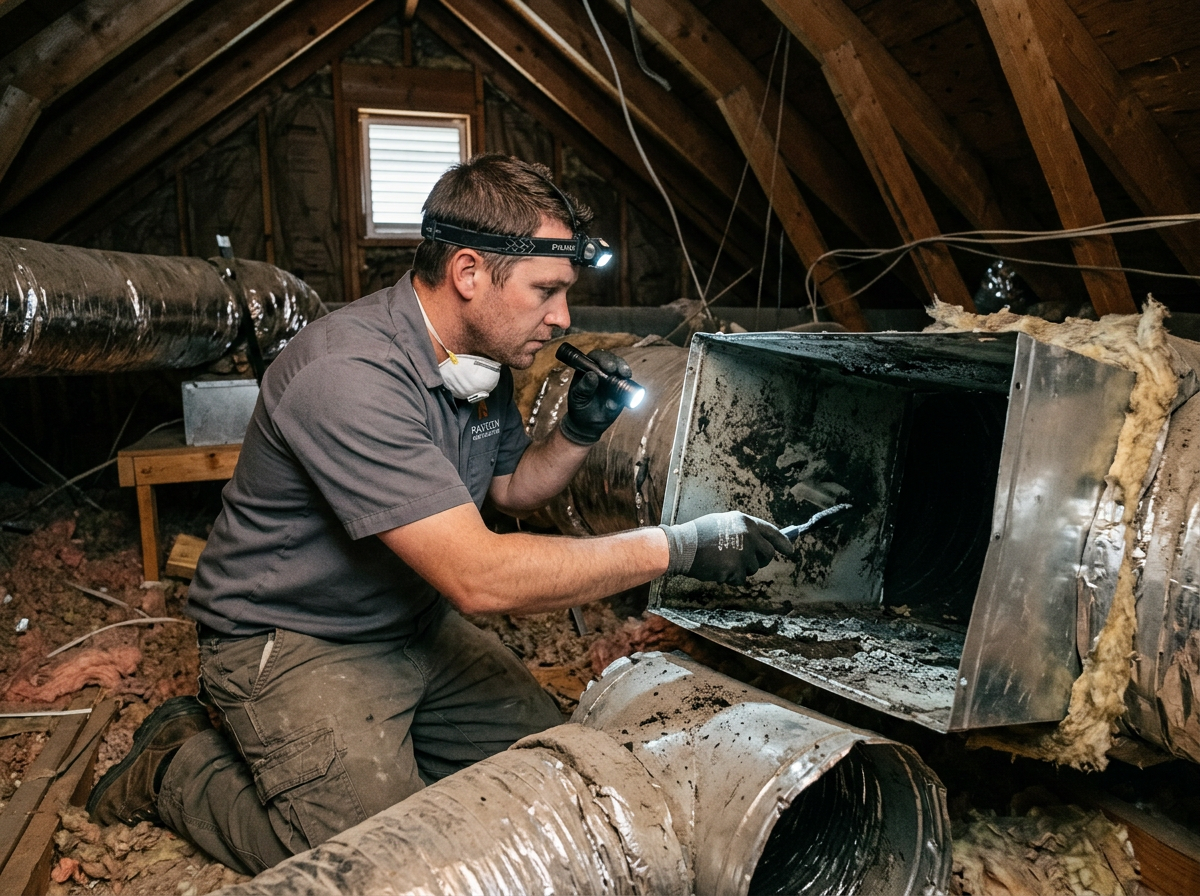
Targeted smoke damage restoration across Utah that traces soot paths through HVAC systems and unburned rooms while addre…
Details →Water Damage Restoration in Rockville
Suppression water from Utah fires soaks cavities and freezes fast above 4,500 feet, requiring targeted extraction before…
Details →Soot and Residue Cleaning in Rockville
Targeted soot and residue removal that identifies soot type first so stains lift instead of setting permanently.…
Details →Mold Remediation in Rockville
Targeted mold removal following delayed drying of fire-suppression water in Utah structures.…
Details →Around Rockville
We regularly work near:
- 📍Zion National Park
- 📍UT-9 corridor
- 📍Rockville town center
- 📍Virgin River frontage
- 📍Red rock formations along the highway
Fire Damage Restoration in Rockville — Local Notes
- •Stucco and tile construction common in Rockville allows smoke to travel through vents and rooflines during wildland fires in surrounding juniper and sage.
- •UT-9 serves as the primary access route, so crews stage equipment near the highway corridor to reach properties quickly from the north.
- •High desert winds can push smoke into homes even when the fire itself stays outside town limits.
- •No winter freezing concerns allow focus on ventilation and odor removal rather than water extraction delays.