
2026-09-14 ·
Insurance Paperwork Tips After Fire Damage in Southern Utah County
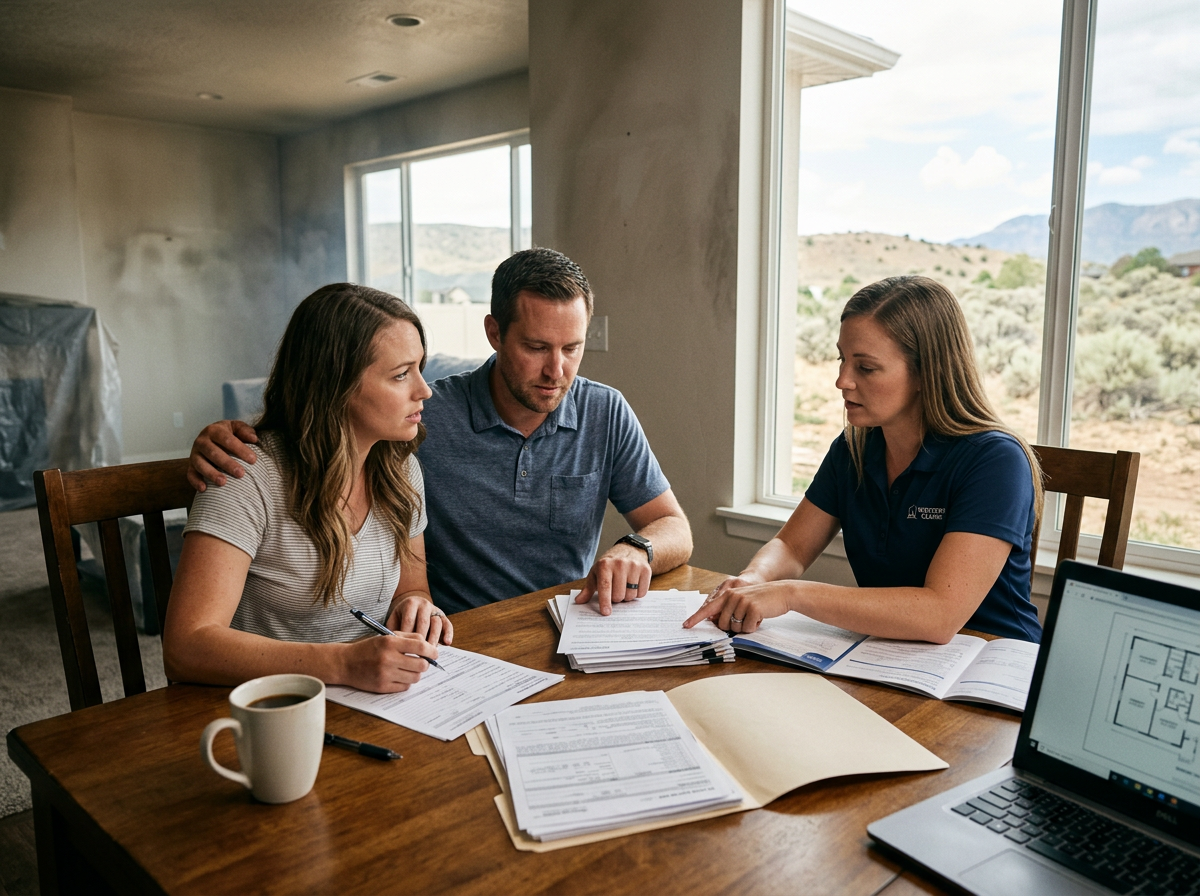
Begin by contacting your insurer within the first day after a fire and start a written log of every conversation, including dates, times, and names of representatives, while noting any mentions of smoke migration from wildland-urban interface areas or water used during suppression that can freeze at higher elevations near Payson.
Notifying Your Insurer and Starting a Claim Log
Record the initial notification call with the exact time and the adjuster assigned, then follow up in writing via email or certified mail to create a paper trail. In Southern Utah County the dry air often carries soot into homes that show no direct burn marks, so include any observations about odor or residue in your first report. Keep copies of all correspondence in a dedicated folder, separate from regular household files, and update the log after every interaction. This approach helps maintain clarity when later addressing questions about how Wasatch-style inversions, though less common here, might have affected odor persistence in nearby valleys.
Building a Room-by-Room Inventory
List every affected item by room, noting material, approximate age, and visible damage such as protein-based soot on kitchen surfaces or dry soot on fabrics from distant smoke. Southern Utah County properties near the wildland interface frequently experience smoke infiltration without structural fire, so describe these patterns specifically in your inventory. Attach receipts or prior photos where available, and group items by soot type when possible because different cleaning approaches apply to wet versus dry residues. Update the list daily as additional damage becomes visible during initial walkthroughs.
Capturing Photographs and Video Evidence
Take dated photos and video of every room from multiple angles before any cleanup begins, including close-ups of soot on walls, ceilings, and HVAC vents. Document suppression water pooling that may freeze overnight at Payson-area elevations and note any early signs of secondary issues that could require water damage restoration. Store files in cloud backup with clear file names that include the date and room, then share copies with the adjuster only after your own records are complete. This visual record supports later discussions about fire damage restoration timelines when smoke has traveled beyond the original burn zone.
Tracking Additional Living and Documentation Expenses
Maintain receipts for temporary housing, meals, and supplies used while displaced, along with any costs for independent assessments of soot residue. In Southern Utah County the milder climate reduces some winter odor-trapping effects yet still requires careful tracking of how smoke from interface fires affects unburned structures. Note mileage for trips to the property and any professional cleaning consultations, cross-referencing these against your claim log. Such records become useful when comparing notes with resources like cost factors for smoke damage cleanup that outline typical documentation needs.